Advanced AI Strategies for Marketing to Drive Epic Results: Tools, Ideas, and Real-World Applications
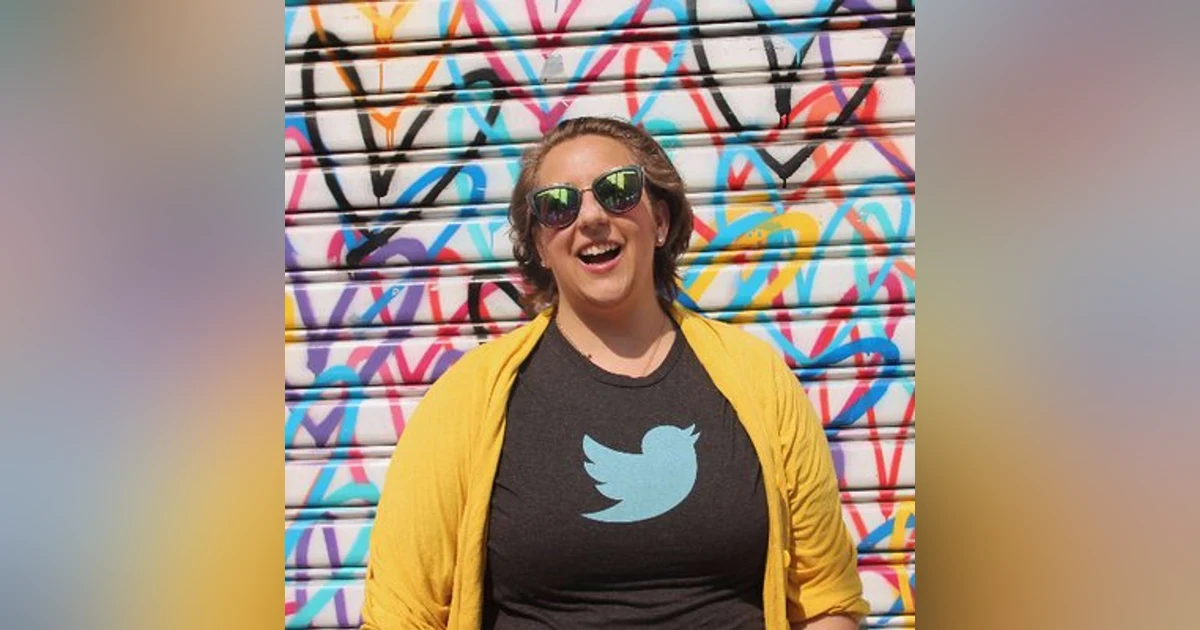


Curious about how AI is transforming the landscape of marketing? Join us as we host Jess Gonzalez, a seasoned marketer with a decade of experience at the intersection of AI and marketing. You'll uncover the secrets behind Jess's innovative approach to content production and curation. From scraping trending topics on Reddit to leveraging a human-in-the-loop system, Jess and her team have mastered the art of creating SEO-optimized content that truly converts.
Discover how to streamline your ABM outreach and content creation with cutting-edge AI tools like HubSpot, Claude, Perplexity, and ChatGPT. Jess shares invaluable insights on automating processes to save time and cut costs, all while maintaining the quality and relevance of your marketing efforts. We also delve into the practical applications of AI in affiliate marketing—think automated image generation, review analysis, and ad creation—all integrated seamlessly into your campaign management. Tune in to learn why marketing fundamentals still matter and how AI can amplify rather than replace your existing strategies.
Jess Gonzalez on LinkedIn
Send us a Text Message, give feedback on the episode, suggest a guest or topic
Visit the Remarkable Marketing Podcast website to see all our episodes.
Visit the Remarkable Marketing Podcast on YouTube
Remarkable Marketing Podcast Highlights on Instagram
Eric Eden on LinkedIn
0:00 Today we are talking about marketing and AI what is the future of marketing and AI and we have a great guest to help us talk through that. Jess, welcome to the show. Thanks for having me. Why don't we start off by you taking a minute to share a little bit about who you are, what you do, what you've done? Yeah, hi, I'm Jess. I love marketing. I've been a quota carrying marketer for almost my entire career, so I come to marketing with really a revenue and process focused lens. I've spent my career in I would say, really fortunate once of a career roles where I've worked with some of the largest media companies, publishers, some of the fastest growing SaaS brands to really grow their company more quickly by growing marketing quickly, with a focus on driving revenue.
0:49 And lately I've been doing a lot with AI. I have been just a caveat. I've been using AI since before it was a hot thing and before ChatGPT was launched, so I've been in AI for about a decade, but I've been finding some really interesting ways to use it that I think not everyone's leveraging it for. Awesome, and you're also a podcaster. You have your own podcast. Yes, marketers Talking and Marketers Talking AI. Where we bring on marketers talking, we bring on marketers of all walks of life and different seniority and experience levels to share their story and what they have found that works for them in the marketing world. And then marketers talking AI. My co-founder, pavel, and I cover the recent AI news and we are talking to founders of AI Martech specifically, founders who are actually marketers, not just developers, who are building AI tools to sell to marketers.
1:40 So that's an exciting series launching soon. All right, we're ready to be inspired. Tell us a story about some of the best things you've done with marketing and AI so far. Yeah. So my favorite use case and I'm going to start with content, which for a lot of people, they're probably saying yeah, content. I know there's 50 tools that will make me a million blog posts a day. It's everywhere. We took a little bit different approach, but we've been using it heavily for content production and curation. So, specifically, we had a client that was starting off fresh, brand new website, no domain authority at all, and they wanted to be able to grow and really engage in the startup community.
2:20 Their ICP was founders, ideally founders who are going through incubators or some other early stage funding. So they want to get in front of this specific audience and they have nothing on their website to really make them compelling as an authority on the topic yet. So we launched a programmatic SEO effort, which means that we produce a ton of SEO optimized content, and we did it all really quickly using some different workflows, processes, tools, however you want to do it. So, instead of manually creating 200 pages, we had a system to be able to do it using Airtable, makecom, retool, zapier a couple tools similar to that.
3:01 So we started off with asking ourselves what does this target audience want to engage with? And one of the spots that I've gone to for almost my entire career for inspiration is Reddit. So we actually set up a process that it would scrape some different subreddits every day and it would see what are the three or four most interesting articles that have been posted in the last 24 hours, that are trending, like what's getting the most traction. And so we use Reddit to curate the topic pool. And then we took those topics, put them into an engine to get some different headlines out of it. So we would take, let's say, 10 topics that are doing really well, let's distill that down into three that we care about, and then for each of those topics let's generate 10 different titles, and then we would have a human in the loop.
3:51 Human in the loop is a term that not a lot of people may be familiar with, but it means that you have an actual person who's taking your AI output and they're looking at it to refine it before putting it back into AI to get to that next step. So our human in the loop would go in and they would look and see those different titles and they would say, okay, these eight, I think, are really compelling. I like these two, but they're not quite great. Let me go regenerate them or make some changes, and then we would take those titles and we would use those to produce content, but here's where it gets different. You can't just put that title into ChatGPT. You can. You're going to get something, though, that really sounds AI generated, and so what we did is we really thought about what is the unique point of view that our client has, what is their opinion and ideas.
4:43 We want to make sure is included, and are there different areas that we know that they play really well. So, for example, if you were a company that does, let's say, software development, you'd want to make sure that topic tied into software development somewhere, and it might not always be super obvious, but AI is really good at making stuff up, and so we would tell it. Here's our topic. We want to make sure that the tone is optimistic, and here's our super long explanation of the brand voice so we can make sure the content actually sounds like it was written by a specific person, and we want to make sure that it ties into the future of software development, and these are tech stars funded companies. We want to mention tech stars and maybe find a couple references to these other publications, so we're giving it a really robust prompt that literally took weeks to develop and months of fine tuning, and then it puts out a piece of content that then goes to a person to look at Quick glance.
5:41 Does it look like it's in the right direction, yes or no? And if it is, it'll go back into a system where we actually have different AI models talking to each other to provide feedback on the content to each other, and so it's like having a team of three or four copy editors that are coming in reviewing and providing feedback, but it all happens in like 20 seconds and it goes back and forth. And then it would spit out this article that sounds pretty good. It's 95% of the way there, and we actually eventually added in a step where it would also provide feedback of what it thinks should be tweaked in the article. And then that goes to another human in the loop who's an actual copy editor, actual writer, who looks through, makes some changes, make sure that it feels human.
6:26 It sounds human Also, that all the data is correct in there. Ai does hallucinate. We try and get rid of that as much as possible, but sometimes it will make up its own facts and even put in a citation for it that doesn't exist. So they give it a once look over and then it's ready for publishing. And so by doing that, we're able to make a system where it's automatically finding trending topics on Reddit and producing 10 to 20 blog posts in one or two days, which means in a month you can put out hundreds of pieces of content that are all unique, all designed to speak to specific keywords and following topics that are resonating with your audience.
7:07 So it's not just using it for that first content production piece, but it's thinking about how can AI give me leverage across what should be an entire content production process? And we've taken that. We built it for a client, we tweaked it, repeated it, built it for another client, tweaked it, repeated it, built it for ourselves too, tweaked it, repeated it, built it for ourselves too, so we could put out more content. And we found that by really putting out this content, it's helping with domain authority. So one of our clients went from zero to two in a day and then they've gone up to about 12 within a week and now they're close to 30. But more importantly, it's attracting the right audience to them. That's turning into inbound requests, that's turning into deals and opportunities, and that's ultimately what we care about is building marketing that drives revenue.
7:55 It's really almost fueling your inbound engine that wasn't existing before the website was built was built and is it working that it's generating this volume of content with this machine and it's getting indexed, it's getting ranked? Is that piece of it working? Yeah, I will say the bottleneck on all of it. There's a couple spots. One is we insist on human editors in the process because we want to make sure it's good quality content. That can bog it down a little bit depending on the length of the content, and Google doesn't just auto magically index every single thing you give to it. So we've had a couple instances where it's taken a couple weeks to get all of the content indexed.
8:37 Typically, we'll see a good portion of it indexed up front at least three or four new pages a day. At the low end we had one client that we were surprised. Day one we put it out. It was a pretty large piece that was really more of a pillar page of content, and the next day they had an opportunity to come in from it, which is astonishing, because sometimes Google does take a bit to publish. What I will say is we haven't seen any instances where Google's penalizing using AI generated content, because I honestly think Google can't tell that it's AI generated, because it's not bad content. Yeah, I think we'll get to a point one day when there'll be really good detectors all around that'll be able to tell which content was generated with AI and perhaps what percentage of it was generated with AI, but I think the only one who perhaps has that tool?
9:30 There was this scandalous story about how OpenAI has had this detector internally but hasn't released it. But because they haven't released it, no one really knows. They say that they had this internal tool. They could tell for 99%, but probably Google doesn't know, like you're saying, and it does probably take still just like if you were just creating it all manually. It does take a little bit of time Weeks sometimes can be 30, 60 days, even if you're producing a good volume of content for it to get indexed. That's what I've seen across many projects over time. It's never instantaneous, so that probably is still there, like you're saying. But I think that's fascinating because I worked for one company just to give the manual analogy next to that, where we did generate a massive amount of business this is five years ago from creating a thousand blog posts that were each like 2000 words long, written by freelancers, and I can't tell you how much brain damage came from that process of humans writing 2000 word blog posts that didn't weren't keyword stuff, that were actually decent, and then trying to get three or five of them a week and eventually, over time, over a period of two years, we got to enough where we were getting like hundreds of thousands of visitors a month to our website that were going into our software free trial from the blog.
10:54 But we spent years of manual labor and a lot of money paying freelancers to do that and it was good, but this is a lot less painful way to do something like that. When you think about the cost. So, related to this project, we had a client that was doing programmatic landing pages specifically for ABM. So they had 40 accounts that they wanted to do landing pages for and the landing pages were pretty uniform, except we're just going to change the company listed on the top, we're going to change the URL and maybe five or six pieces of content we're going to slightly tweak, but we're not trying to index them. So we don't care if it's duplicative content because they're really designed for ABM outreach.
11:35 They had a quote. If it's duplicative content because they're really designed for ABM outreach, they had a quote. It was $30,000 for 50 pages and I was like, are you kidding me? For someone to go and build them all and that's had them getting like 80% of the content. I was like that's crazy. And so they were on HubSpot. We rolled out HubSpot DB, made a spreadsheet and we did have to set up the landing page template and the variables. But it took an hour and a half to do to build all the pages when the quote was $30,000 before, which just seems ridiculous. And if you look at how much sometimes a blog post especially on the B2B side costs, you're spending $1,000, $1,500 per blog post coming out, so I would imagine that's a massive cost savings for a lot of companies to be able to build these programmatically too.
12:20 Yeah, and this belt tightening era, just a lot of people. They just are like we can't do it. That's where a lot of companies have gone with it. So I think personalization is the use case that you're mentioning, that a lot of people are starting to experiment with, in the sense of creating a landing page for each target account. To do it manually is, like, really expensive. As you laid out To do it automated, you probably still want to check over the work, but it's a lot faster than trying to do it all manually and that's an awesome process. I think what AI is really great at that is underutilized by people is giving you options, giving you something to react to.
13:01 So if super boring example you need to figure out meals for a week, it's a lot easier for us as humans to look at our options and say, okay, monday night you can have one of these four things what do you want? Easier to pick than to say, okay, what do you want. Monday night it's so much easier to make a decision and so using AI or even some automated systems to help you figure out what your options are and then be able to make that decision more rapidly. I think that's one of the most underutilized areas for AI right now for marketing. I agree. One of my favorite use cases along those lines is in using AI as a co-pilot. When I'm doing messaging architecture projects, I have it take like the about us for a company.
13:43 I'm like, take this and rewrite the about us for the company in 10 different styles and I will come back with a conversational one, a formal one, an inspirational one in 10 different ways. And then it's very interesting to share those options with executives and see which one resonates with them the most, based on their company culture, because it's the same fact set as like their core about us that they had. But people are like I didn't think about it that way, and so I think it is really great, as a co-pilot, of giving options of different routes to go. Like I said, I think that's a great tip of giving options of different routes to go Like I said. I think that's a great tip. My co-founder, pavel, and I. We use AI as a co-pilot in almost every meeting. We have every brainstorming session and sometimes what we find is that it will in the notes, it will pick out things that we didn't realize we talked about, or it'll put down action items where it'll say based on these other action items, you might want to also consider these couple things and it's been really helpful for that, where it's almost like having another brain in the room.
14:42 And on the feedback side, similar to what you're talking about with the messaging, take that messaging, put it in AI and ask AI to tell you who the target audience is. I found that I've written some stuff that I thought was like really fantastic and it did not convert and I put it in. I was like what's going on here? And AI told me that my copy was for a totally different audience and I was like, oh shit, I guess I missed a note here somewhere. But I wouldn't have realized it without AI being that kind of totally I would say objective person that's able to come in and give you feedback, not knowing what's in your head for the context behind it. So you're doing some really advanced things here in August 2024.
15:25 What's your marketing? Ai tech stack. Honestly, I love Claude and Perplexity. Chatgpt, of course, is in their 4.0. But I think Claude and Perplexity ChatGPT, of course, is in their 4.0, but I think Claude and Perplexity are two of the best tools that people can use. Personally, I'm a fan of Claude more for writing. I think that it produces more human feeling content than ChatGPT, unless you have. If you take the time to make a super robust prompt, chatgpt can get you there too, but I feel like Claude, out of the box, will give you a better writing product than ChatGPT will. So I'm a fan of Claude for writing and then sending that Claude output over to ChatGPT to give it feedback on.
16:10 I love perplexity for search. I feel like it's giving me answers to things that I asked the most, like I asked it the most random question that's not super specific and it somehow knows exactly what I want, which feels magical. And then, when we look between the tools, where I think they really become powerful is how we're automating between them and so, using Zapier, retool, makecom to try and find ways to pull it in. I'll give an example For my podcast. I have an entire workflow between ClickUp and HubSpot and then I'll actually take the topic and I'll take the transcript from the podcast and I'll send it into Summarize AI, which is my favorite tool for video transcriptions and summaries, and it'll pop out a couple of different title options.
16:56 I can take those and send those back to Claude to give me other options if I don't like it and finding ways to really get those tools to work together. So Claude Can't Recommend Enough Perplexity. Summarize are my kind of three favorite, I would say. Three go-to. And what about for images or soon-to-be video? Any favorites in those areas? I'm going to tell you I so I'm going to age myself a little bit here I don't use Photoshop. I use Fireworks still, which Adobe sunset in like 2012. But I never took the time to use Photoshop. But I've actually been using the generative AI in Photoshop recently because it's so easy to use, so that's been my go-to.
17:41 I've played around with a couple different tools. There's one that I've gone to when I need to generate something from scratch, where I'm starting from absolutely nothing, but I'm typically starting from an image that I'm trying to edit, and so I'll go into Photoshop for it, or I'll actually use Canva, especially like headshots. Sometimes clients have photos that are a bit older and you need to sharpen them up. I've been really impressed with Canva's AI options for editing photos. Yeah, so is the Adobe tool. Is that Fireflies? Yes, I think so yeah. Have you found that to be decent? I haven't tested that one. Oh, so I actually made my wedding invitations with it.
18:21 I had a Call of Duty themed wedding, which, for those who don't know which is probably everyone I met my husband on Call of Duty, like all single people in our 30s, and we wanted a Call of Duty themed wedding because a lot of our gaming friends were coming. If you search Call of Duty themed party stuff, it's all for, like little kids and it's all army themed, and we wanted something that I would describe as a little more up level, a little more upscale, and I had some different ideas but I couldn't quite get it to work and I spent four or five hours trying to blend images together and just going in and zooming in and erasing pixels. Then I was like, let me just give this a try, and I think the video is actually still up on my LinkedIn.
19:01 It took me less than 10 minutes to make our wedding invitations and they ended up being totally custom. I wanted to blend a couple images it's two people parachuting in and it says dropping in together and so I wanted to alter them so they look a little more like the operators that we play in the game. And it was the best process ever. It was the first time I used it. It was so easy to use and, as someone again who did not take the time to learn Photoshop because I'm still using the 2010 tools I just didn't want to learn it. I found it easy to use, so I think that's saying a bit about it. Now I have to know wedding venue, reception venue was it also Call of Duty themed or just the invites?
19:42 Yes, so we turned into a LAN party, which is also a common aging myself. But yeah, we had it at our house and then we had the reception at a what do we call it? It's a place that has a ton of computers that are networked together to have a LAN party. It's like a nerd thing. So, yeah, everything was really Call of Duty theme. A bunch of our gaming friends came in, so it was a good time. Congratulations. That's awesome. So I actually have been testing mid-journey against Dolly to see which ones I can get better images out of, and I think for a lot of the marketing I do like images for blog posts right. I don't need to spend hundreds of dollars for an image, an abstract image, for a blog post with one of the stock photo companies, but I think people can tell that it's AI in a lot of cases.
20:33 But I've actually gotten differing results. But with ChatGPT Dolly, you can actually upload an image and have it change it, which is interesting. Not quite Photoshop, but you can say take this image and do this with it, and a lot of times it'll it, which is interesting. Not quite Photoshop, but you can say take this image and do this with it, and a lot of times it'll do some pretty cool things and I've gotten some pretty good quality stuff out of Midjourney. I like to travel. I've been to 63 countries and so all the places that I've been to, I had it generate images of all the places I've been to see how accurate it could make them. Like does it feel like when I was there, and what I did was to create these really complex prompts.
21:13 For mid journey I uploaded a guide to chat GPT for oh, of here's how to create prompts in mid journey, and then I basically had chat GPT create the prompts for MidJourney that are like really detailed, with like camera settings and all of the details are like four or five paragraphs long prompts, and I created an Instagram account and put all the pictures there and I'm like you know what it looks, like these pictures are from all those places, like it's pretty good If you were doing a travel blog, for example, like it is pretty good for a lot of use cases, I think for marketers and I think it's going to get better. I love that use case. Here's my question Are you a subscriber to MidJourney's print magazine?
21:55 I'm not. It's $4 a month and it's a collection of, I think people can submit their images to it and it'll have the image and then it'll also have the prompt that was used to produce it. And sometimes I will see a beautiful image and the prompt is like half the page. And there's other times where I'm like that image is awesome and the prompt is give me what a hot dog dreams of. And I'm like I never get anything like that when I put random shit in, like random stuff, random shit in like random stuff you have to use. The weird thing about mid journey is that you have to use discord to put in the prompts, which is really weird because it's like a gamer chat app and it's a very different sort of experience because when you're putting in prompts, other people are putting in prompts too and you're in a stream watching what other people are doing.
22:43 And sometimes if I'm really bored, I'll just go in there and not put in prompts and watch what people are creating and the prompts that they're using. And it's very fascinating because some people are really sophisticated. They put in like camera settings and like the background should look like this and they're doing like product photography and I'm seeing like restaurants clearly creating menu, like photos, and I'm like that looks good enough to eat. I'd eat the whole thing. I'm like out of one to 10, that's 100. I'm just like voyeuristically watching Midjourney images, so that, and or the magazine, I think is a great way to get inspired on how to do great stuff.
23:23 I think Midjourney is trying to make more of a community around it and hoping that's the exact use case that you see it, you get inspired. We actually built a scraper so that we could do an API call to generate an image and return it. We built a little affiliate marketing tool, so essentially it would take trending, it would take high commission products off of a couple of different sites that give you affiliate links and then it would use Google listing for that product to pull in reviews and feedback on it and they would use those reviews and feedbacks with ChatGPT to write the prompt that would go to mid journey to generate the images and the headlines for the ads and then it would automatically push it into Airtable and then push it into Facebook and run it as an actual campaign. And we in that process, like we can't have someone like manually sitting here in discord doing this, and so there are ways to make it automated.
24:10 It's not easy and you do lose access to seeing what other people are doing with it, but there are a couple ways to get it there. So where do you think this is all going with AI, specifically for marketers and companies using AI in their sales, marketing and their customer journeys? Where do you think this is going? I'm fascinated to see how this story goes. Yeah, so I'm going to give you the most boring answer ever. It goes back to marketing fundamentals. What I'm noticing is there's two things. There's a lot of developers that are building AI tools for marketers who have never done marketing, who don't know what marketers need.
24:50 They're the ones you see that say, you can make a hundred blog posts a day, but they're not giving you anything to make sure that it's the right topic, or they're not giving you tools to figure out your content pillars. They're just giving you volume. They're like marketers love blog posts, let me give them more blog posts. There's no strategy behind it. And then, on the other side, you have people that are just wanting to consume everything AI, but they don't actually have a system. Let's say that you decide to bring on a tool to help you do outbounding so you can do more cold outbounding with AI. What happens when someone responds? Does it go into an actual process where your rep is alerted? Does it do any scoring? Are you qualifying anyone? If you're missing marketing fundamentals, all you're doing is amplifying tactics and they're only going to get you so far.
25:37 The people who really win in the age of AI are the marketers who understand how to do marketing well and use AI to help amplify what they're currently doing, not the marketers who just use it as a way to get more stuff done and just put sometimes complete trash out there with it. So that's my take Got to know the fundamentals. I agree a hundred percent. I think that AI is a great tool, but it can't just replace everything you're doing. You have to give it at this stage the direction. It can be a really great research buddy or a co-pilot, but it may not be ready to be a full agent. And I think of the movie the Matrix and the agents just popping in and they take care of the task completely without direction, just popping in and they take care of the task completely without direction.
26:27 I don't think we're definitely not there right now. The question is how long will it take for us to go from a stage of AI is all co-pilot to there's AI agents that can do certain use cases and they can do it all the way through or almost all the way through. It just gets a human approval like book a trip according to your specifications, book a meeting according to your specifications. It seems like we'll get to this point where there'll be agents and there'll be some pain of getting there where it doesn't right, but eventually there'll be some agent processes. But there'll be some processes to your point that almost have to be all co-pilot your point that almost have to be all co-pilot.
27:09 But I think the main thing that I've seen is that a lot of people are misunderstanding that probably 90% of things will be co-pilot and then 10% of things will be agents and then 0% of things have no impact of AI. I think a lot of people are thinking, oh, ai only impacts some things. But I think it's going to impact everything in different sort of adoption levels and then, as time goes on, it'll probably just get better and better. Yeah, this might be a little bit controversial. I'm sure someone's going to hear this and absolutely hate it. I think of AI like I think of interns. You have an intern coming in who, let's say, they're a sophomore in college. They've taken some marketing classes, they taught themselves how to use Canva, but they've never built a full marketing campaign, they've never done out of home and airport and digital and had to have it cohesive.
27:52 They haven't done this stuff, and so you have to spend time with your intern, showing them the ropes, sharing your experience with them, working with them so they can learn how to do it. It's the same thing with AI, and if you're willing to put in the time and energy to train your models to understand how you're thinking, they're going to be able to do work similar to what an intern can do, but I think that they have more of a ceiling. That's limited because they're not going to be able to necessarily think creatively the same way the human does with it. Interestingly, I met the CEO of the software company Descript and his team at the Podcast Movement Conference in DC this week and they have one of my favorite AI software tools that allows you to edit audio and video, and they came out with their latest release of AI capabilities and they dubbed it this is your AI intern.
28:54 Oh, I love it. Named it the perfect name Underlord. Oh my God, not Overlord, because it doesn't rule you yeah. You rule it and it's a funny joke of it's not quite ready for prime time to just do things on its own. That's a joke they're getting at and they just had this very playful culture with their product videos where they lean into. This is where we are in the development phase of this, which makes people like me into raving fans, right. Yeah, I love that. I think a lot of people think AI will somehow magically give you the perfect output, and I think back to 10 years ago, working with writers which, eric, I know that you've done too. There's shitty human writers, there's bad human writers who cannot write well, who cannot add emotion and thought to content that they're producing, who don't add POVs, and so people think AI is going to produce this perfect thing, and then it doesn't, and then they're like AI is useless and they throw it out.
29:51 But there is a sweet middle ground between those, and if you can figure that out and you can still work on honing your craft, it'll make you an unstoppable marketer. So what is the use case that you're going to work on in the near future, that you're excited about with marketing and AI? So I think AI is really fantastic at ingesting unstructured data and being able to turn it into insights and, I think, a huge challenge and I've advised a handful of attribution companies during my time. I have a master's in it. I love data, which is probably not a shocker based on my personality so far. I think AI is really good at taking it, structuring it in ways that maybe you didn't think about, organizing it, doing core analysis, and so what I'm working on now is trying to build a system to better help take in all this data that our clients have in secure, not getting shared with chat to UPT.
30:49 But how does it take in that data and how does it structure it differently? Or help us think about it just from a different perspective to be able to get different insights that are going to help us figure out what we can do to really drive the needle, to drive more revenue without spending more money so much data for marketers to absorb in your brain across all these different systems and silos, and try to manually coagulate it together is mind-numbingly hard sometimes. I think that's awesome. I never want to write SQL again. That's my life goal Me either, yeah.
31:47 So what are your top three points of advice for marketers related to AI? Don't need to change everything you're doing to fit into what AI can do, because AI in four or five months is going to be able to do different things than it can do today. Ai a year from now is going to look totally different, so think about how you can start pulling AI into your existing systems to really amplify the good that you're already doing. That's like my number one piece of advice. I feel like that really encompasses everything. Number two would be to test Try different tools, because a lot of tools do different things. I personally would say if you're thinking about a tool, look at who built it, because sometimes the tools will change your behavior and how you think about things.
32:30 Use tools built by marketers for marketers. It's going to get you a lot further than these tools that are built by developers just being sold to marketers. And number three is I would encourage anyone in leadership to encourage AI in your teams so that everyone at your company and your team feels comfortable testing and embracing this new technology. That can really help them be better at their job, not with a focus on using AI to replace people or AI to replace systems or other tools and technology. Yeah, it feels like we're in a really interesting testing point where I wouldn't recommend pros and the cons of it are and then finding out how to get efficiencies, Because there'll probably be breakthroughs in the near future Not in years, but probably in months.
33:29 Oh yeah, that if you're not doing this sort of testing and understanding how the tools work and understanding what the pros and cons are today, you'll be behind when these things come in the very near future. Right? Yeah, ai today is totally different than AI was this time last year. That's bonkers to think about, isn't it? It's moving fast. And any final thoughts. What I would say is what I will offer is if anyone ever wants to talk AI or has questions, I'm always happy to talk about this stuff. I know it can be scary also to meet a new tool that can be hard to understand until you get used to it. So I'm on LinkedIn.
34:11 I'm pretty responsive. Feel free to hit me up. If anyone does want to talk AI at all, I am happy. I'm always happy to chat shop. Awesome. Thank you for that offer. I'm going to link to your LinkedIn and your website in the show notes so people can easily get there. We really appreciate your stories, your insights and your advice today. Thanks so much for being with us. Thanks for having me.


